Deglazing vs Reglazing in Connecticut
Understanding the Difference Between Reglazing and Deglazing
When restoring tubs and tile, homeowners often encounter terms like reglazing and deglazing. While they sound similar, they’re very different processes. Understanding what each term means and when they’re necessary can help you make smarter decisions about your bathroom renovation or maintenance project. In this blog, our Connecticut reglazing company will explore what reglazing and deglazing involve and when each is needed.What is Reglazing and When Is It Ideal?
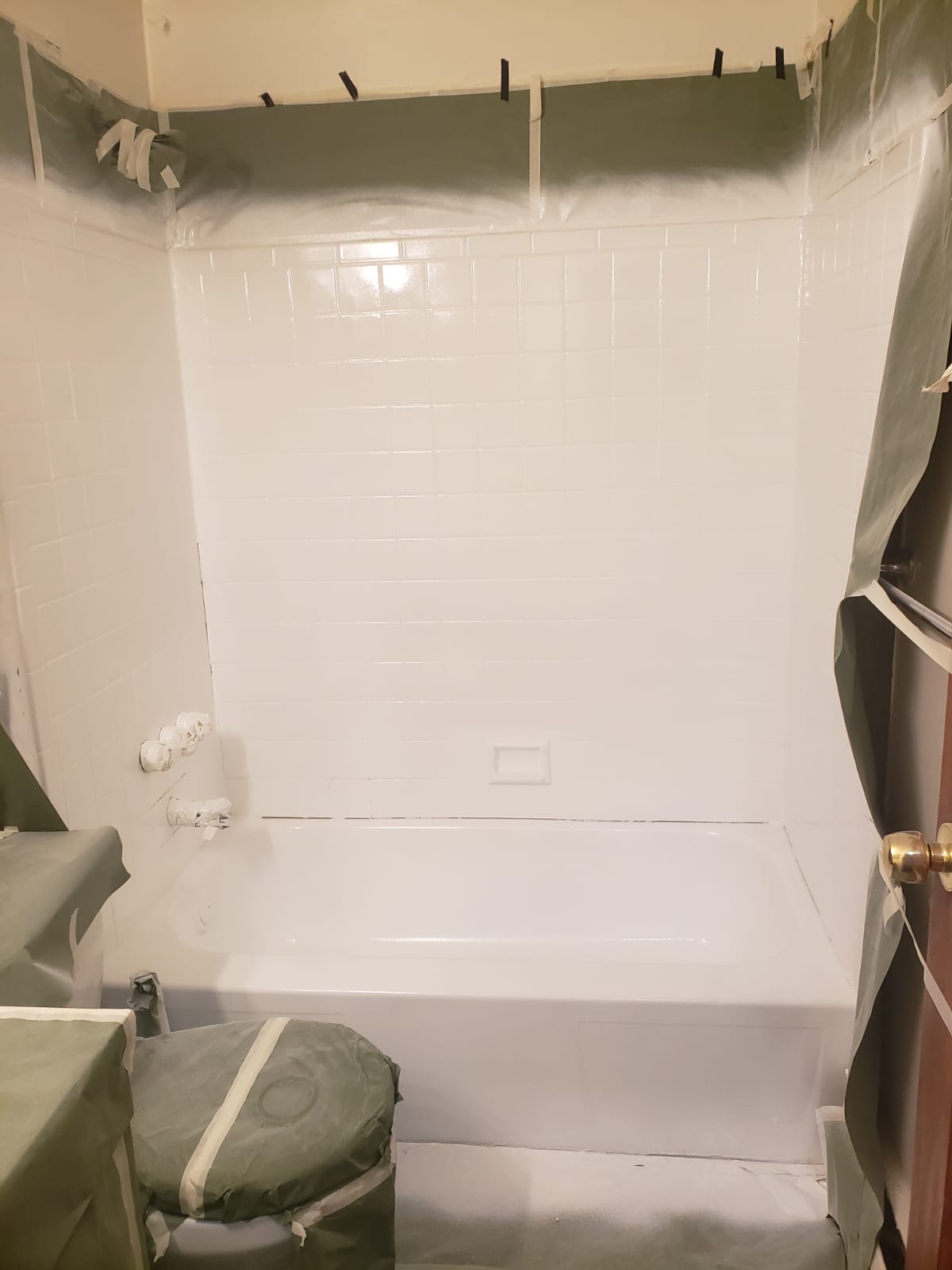
Reglazing restores the surface of worn, chipped, or outdated bathtubs and tiles. During this process, trained reglazing contractors clean and prepare the surface, apply a bonding agent, and spray a durable, glossy epoxy based coating over the existing fixture. Reglazing is ideal when dealing with tub enamel peeling, tub rust around the drain, or outdated tile colors. It’s also a common fix for homeowners looking for an alternative to gut renovating. When done professionally, reglazing can last 10 to 15 years, saving homeowners thousands compared to traditional remodeling.What Is Deglazing and When Is It Required?
Deglazing refers to removing a previous coating or factory glaze from a bathtub or tile surface. It’s often necessary when a tub has been reglazed before, and that older finish is now peeling, chipping, or bubbling. Deglazing strips the surface to its bare form, allowing a new layer to bond properly. Homeowners may encounter situations where deglazing is required before reglazing can be successfully done. If the old finish is compromised, reglazing over it can lead to premature failure of the new coating. This is especially true for tubs with DIY coatings or multiple prior finishes. In those cases, a proper deglazing process ensures that the next reglaze has a clean, stable foundation to adhere to and won’t peel or flake within months.The Relationship Between Surface Prep and Long-Term Durability
Whether reglazing or deglazing, surface preparation is everything. No bonding agent or topcoat can compensate for a poorly prepped surface. Soap scum, caulking, hard water buildup, or mold, must be removed before any new coating is applied. If you’re dealing with tile regrouting or bathtub caulking, those steps must be completed beforehand to create a clean, dry surface free of contaminants that could prevent adhesion. Proper preparation is essential for lasting results in homes where moisture levels and usage may vary. Acid etching may be used after deglazing to slightly roughen the surface, giving the epoxy reglazing material more texture to grip. Technicians must also bring a professional grade ventilation hose to safely extract fumes and smells, especially since some reglazing materials can emit strong odors if mishandled.Why Reglazing Often Includes a Deglazing Step
While reglazing and deglazing are technically different processes, they’re often combined during a comprehensive restoration. A previously refinished tub may need to be stripped back before it can be refinished again, meaning deglazing is built into the process. Even factory glazed tubs may require some mechanical or chemical etching to ensure proper bonding of the new surface. When hiring a Connecticut bathtub reglazing service, it’s important to ask if they include deglazing or prep work as part of their process. Skipping or rushing through these steps is one of the main reasons reglazing jobs fail prematurely. A qualified refinishing service in Connecticut will always assess the surface condition, determine whether deglazing is needed, and select the right preparation method to ensure your reglazed tub or tile surface looks excellent on day one and holds up for years.
The Value of Working With Skilled Reglazing Professionals
Reglazing is a highly technical process that requires skill, attention to detail, and professional grade materials. Whether restoring a clawfoot tub in New Britain or refinishing counter tile in Norwalk, it’s critical that your contractor understands the chemical bonding process and uses safe, durable materials. This includes selecting the right bathtub paint and addressing issues such as tub chips and old glaze peeling. Professionals also understand how to protect your home during the process, masking off surrounding areas, ventilating properly, and leaving the space clean and odor free. The success of your project depends just as much on their technique as it does on the materials used.Trust Connecticut Reglazing for Your Bathroom Restoration Needs
At Connecticut Reglazing, we specialize in providing bathtub refinishing in Connecticut, from Stamford and Bridgeport to Avon and Southington. We restore your bathroom fixtures using expert methods that guarantee lasting results. Whether your tub has peeling paint, rust, or needs a color update, we’re here to help. Find out why we’re the trusted Connecticut bathtub reglazing service for homeowners who want more than a temporary fix. Contact us today for a free estimate and learn how we can transform your bathroom with safe, professional reglazing services.
