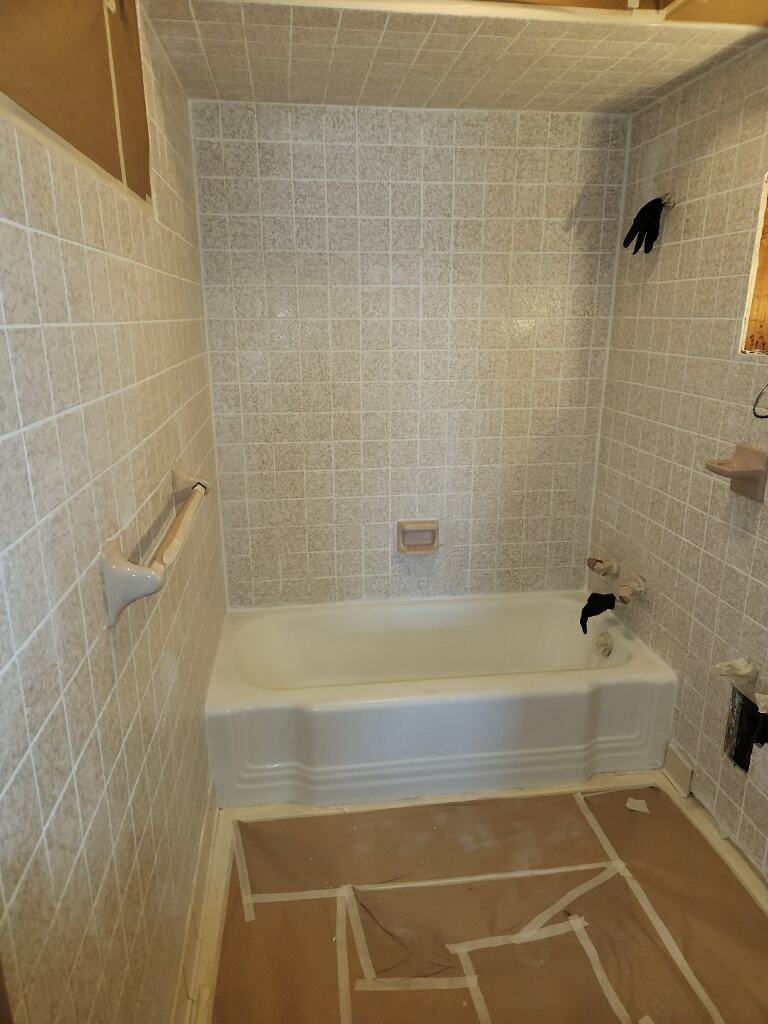
Understanding the Types & Purpose of Grout
Why Grout Matters in Connecticut Bathtub Reglazing
Grout might not be the first thing that comes to mind when planning a bathroom update, but it plays a crucial role in determining how your space looks and functions. Whether you’re working with tile walls, floors, or a shower surround, grout acts as both a finishing touch and a protective barrier. When performing bathtub refinishing in Connecticut, it’s essential to understand how grout contributes to the overall durability and appearance of a tiled surface. At Connecticut Reglazing, we often encounter bathrooms where the tile itself is in good shape, but the grout is cracked, discolored, or missing altogether. Knowing the type of grout you’re dealing with and why it was used can help you make more informed decisions during your reglazing or refinishing project.The Purpose of Grout in Bathrooms
Grout fills the gaps between tiles to create a sealed, cohesive surface. Without grout, tiles would shift, collect debris, and become breeding grounds for mold and mildew. In wet environments, such as showers or around bathtubs, grout helps prevent water from seeping behind the tiles and damaging the wall or subfloor. When our team of reglazing contractors performs bathtub refinishing in Connecticut, we often inspect the surrounding tile and grout to ensure everything is in good condition. If not, we may recommend that the grout be repaired or regrouted before reglazing. Keeping your grout in top shape is crucial to maintaining both aesthetics and functionality.Sanded vs. Unsanded Grout
There are two main categories of grout: sanded and unsanded. Each serves a specific purpose depending on the size of the tile joints and the type of tile material. Sanded grout contains fine sand particles that add strength and reduce shrinkage. It’s typically used for broader grout joints on floors or walls where durability is critical. If your bathroom has textured or stone tiles, sanded grout is likely what was initially used. Unsanded grout is smoother and better for narrow grout lines. It’s ideal for polished tiles, vertical applications like shower walls, and more delicate tile materials. Since it lacks the gritty texture of sanded grout, it won’t scratch softer surfaces during application. For homeowners considering tile reglazing or refinishing, understanding the type of grout present can influence how we approach the restoration.Epoxy and Acrylic Grout Options
Beyond sanded and unsanded options, newer grout types, such as epoxy and acrylic, are becoming increasingly common, especially in high-performance or luxury bathrooms. These materials offer stronger water resistance and require less maintenance than traditional cement-based grouts. Epoxy grout is incredibly durable and nearly waterproof, making it ideal for areas exposed to heavy moisture. It doesn’t crack or stain easily, which is why it’s often used in commercial bathrooms or upscale renovations. However, it’s more expensive and more challenging to install, which is why many Connecticut homeowners stick with traditional grout unless they are undertaking a complete remodel. Acrylic grout is another high performance option, offering flexibility and ease of cleaning. It resists mold and mildew better than most cement based grouts and holds up well in humid conditions like those found in bathrooms. When preparing for a Connecticut bathtub reglazing service, it’s helpful to identify the type of grout that was initially installed. This helps ensure the new finish pairs well with the surrounding tile and allows us to make recommendations if grout touch ups or repairs are needed before reglazing.How Grout Affects the Reglazing Process
Although grout isn’t reglazed in the same way tubs and tiles are, it still impacts the overall finish. If grout is cracked, missing, or deeply stained, it can affect the bond between the refinishing materials and the surrounding tile. That’s why part of our refinishing service includes evaluating grout condition and cleaning or patching it as needed. In some cases, clients assume that refinishing alone will make everything look new, but grout that’s in poor shape will still stand out. That’s why we always emphasize the importance of grout maintenance in conjunction with reglazing.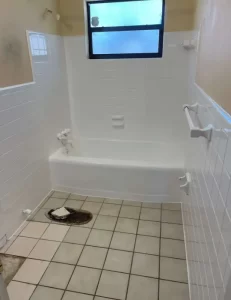
Connecticut Reglazing is Here to Help with Expert Refinishing Service in Connecticut
As a trusted Connecticut reglazing company, we take pride in offering more than just surface level solutions. Our team knows that grout plays a massive role in your bathroom’s appearance and long term durability. When we’re refinishing a bathtub or surrounding tile, we take the time to assess and address grout issues so the finished result looks seamless and polished. If you’re considering a reglazing project but aren’t sure about your grout, contact us today. We’re happy to walk you through what’s needed and how our refinishing service can restore the beauty of your bathroom from the tub to the tile.
